
English| USD
Suggested for you
More currencies
Choose a language
Madrid's culinary landscape rewards the budget-conscious traveler. Between neighborhood bars serving €2 cañas with complimentary tapas, three-course menú del día lunches for under €12, and historic markets packed with affordable counter seating, the city offers exceptional food without the premium price tag.
Quick answer
You can eat cheap in Madrid by taking advantage of menú del día lunch specials (€10–€15 for three courses), visiting traditional tapas bars that offer free pinchos with drinks, and dining at local markets like Mercado de San Miguel where small plates start at €3. Neighborhoods outside the tourist center—Lavapiés, Malasaña, and Chamberí—offer the best value, with full meals often costing half what you'd pay near Gran Vía.
Madrid operates on a dual pricing structure that most first-time visitors miss entirely. A cortado and croissant at a café table near Puerta del Sol costs €5; the same order consumed standing at the bar fifty meters away costs €2.20. The difference isn't quality or portion size—it's the unwritten convention that counter service commands neighborhood rates while table service commands tourist rates. The menú del día remains the city's most reliable budget strategy. Spanish labor law once required employers to provide affordable midday meals for workers, and though the mandate has softened, the tradition endures. Between 13:00 and 16:00, nearly every neighborhood restaurant offers a fixed-price lunch: starter, main, dessert, bread, and drink. A menú in Lavapiés runs €10 to €12 and delivers the same chickpea stew, grilled hake, and flan that a white-tablecloth restaurant near Plaza Mayor charges €35 to serve à la carte. The portions are generous, the wine is included, and the dining room fills with office workers and students rather than tour groups. Madrid's bar culture creates another opportunity for affordable eating. In many traditional establishments, ordering a caña or vermut automatically brings a small tapa—a saucer of olives, a slice of tortilla, or a few rounds of chorizo. The practice is less common in the center now, but it persists in barrios like Chamberí and Tetuán, where a €2 beer doubles as a light snack. For travelers willing to graze rather than sit for formal meals, a circuit of three or four bars provides a filling dinner for under €10. Local markets occupy the middle ground between speed and ceremony. Mercado de San Miguel draws crowds, but its prices reflect its location; Mercado de San Antón in Chueca and Mercado de Vallehermoso in Chamberí offer better value with equally fresh seafood, cured meats, and prepared foods. Counter seating at these markets runs €3 to €6 per tapa, and the quality matches what you'd find in a dedicated tapas bar. The atmosphere is louder, the turnover faster, but the food is prepared in front of you and priced for daily use rather than occasional visits. Budget dining in Madrid isn't about compromise—it's about alignment. The city's affordability lies in eating where and when locals eat: lunch at midday, tapas at the bar, and dinner after 21:00 when the second wave of menú del día appears at even lower prices. Avoid the 18:00–20:00 window when restaurants are closed or serving only tourists, and resist the urge to sit at outdoor tables in Plaza Mayor. The best cheap eats in Madrid are rarely more than two blocks from the guidebook's suggested route.
“A menú del día in Lavapiés delivers the same chickpea stew, grilled hake, and flan that a white-tablecloth restaurant near Plaza Mayor charges €35 to serve à la carte.”
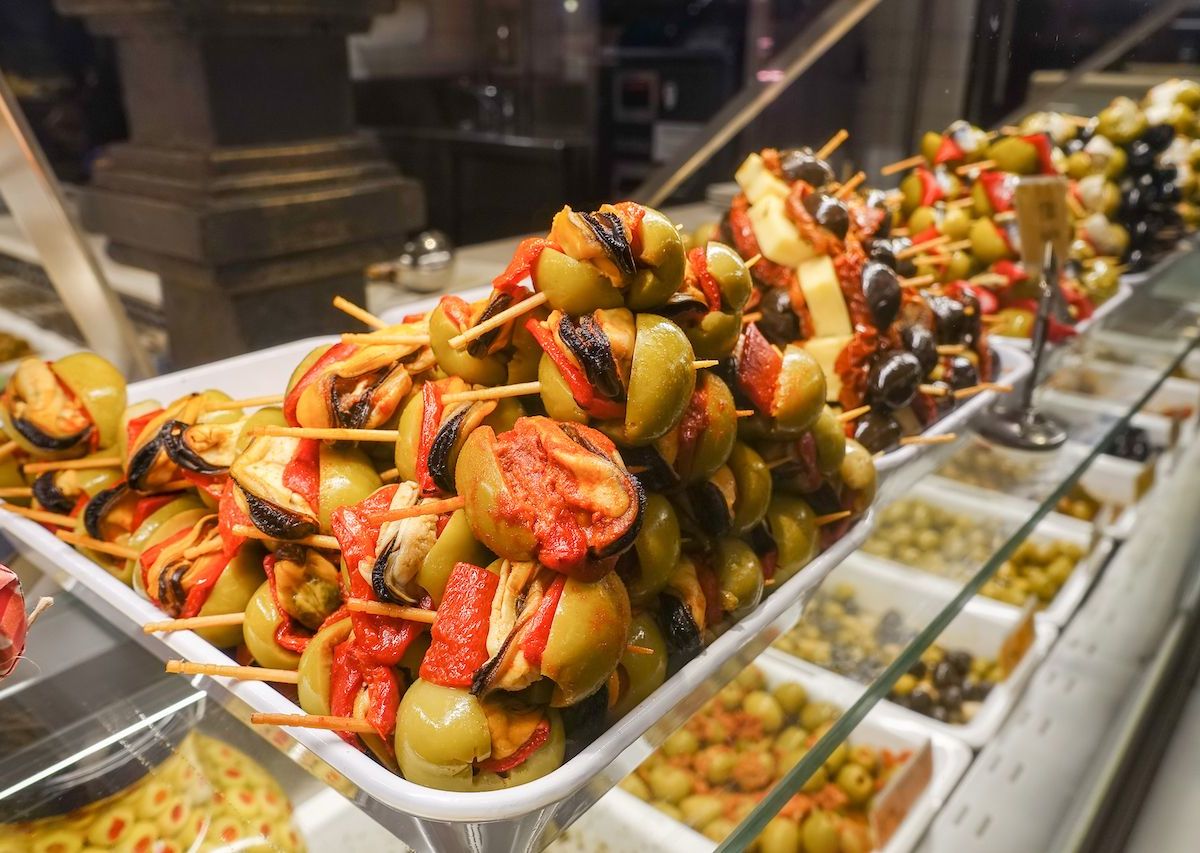
Madrid offers a balance between centralized market halls and historic taverns where low-cost snacking remains a daily standard. Visitors can choose between the vibrant atmosphere of famous markets or seek out local taverns in surrounding districts for more economical options.
market
Located at Calle de San Miguel, 3, this iron-structure market features numerous stalls for tapas and snacks.
street
The streets surrounding Cava Baja offer a high density of traditional taverns where small plates remain accessible.
market
Situated south of the city center, this market provides authentic daily fare and affordable international food stalls.
restaurant
Found near Puerta del Sol, this historic establishment is known for its fried cod and inexpensive wine.
Mercado de San Miguel operates on a consistent schedule throughout the week, allowing visitors to plan their meals with flexibility.
When learning how to eat cheap in Madrid, it is helpful to know that accessing the city's most popular culinary landmarks typically requires no upfront cost. These venues prioritize open access so that your entire budget remains dedicated to your food selections.
Verdict: A typical adult pays 0 EUR for entry, though individual food and drink costs vary based on your personal consumption.
To eat affordably in Madrid, plan your visits during the quietest periods to avoid high-traffic surges and secure seating. The best arrival window is 09:00–11:00, allowing you to navigate popular spots before peak crowds arrive.
—
Arrive between 09:00–11:00 to secure seating at popular tapas stalls.
Mild 15°C–24°C
Outdoor dining becomes popular, so visit early to find space.
Hot 20°C–35°C
Markets become hubs; plan arrivals at 09:00 to escape afternoon heat.
Cool 8°C–18°C
Fewer tourists allow for better access to local dining venues.
Verdict: Visit Tuesday to Thursday, arriving at 09:00–11:00, during April or October for the best balance of manageable crowds and mild weather.
The Mercado de San Miguel is centrally located near Plaza Mayor, making it easily accessible via Madrid's public transit network or by walking from the city center.
Line 2 to Sol station
Lines 3, 17, 18, 23, 31, or 65 to Plaza Mayor
From Puerta del Sol, walk southwest along Calle Mayor
Arrive between 09:00–11:00 to avoid peak crowds and secure seating at popular tapas stalls.
Everything you need to know about how to eat cheap in madrid
To learn how to eat cheap in Madrid, prioritize establishments that offer a daily menu, or menú del día, which provides a starter, main course, drink, and dessert at a fixed price. Focusing on local taverns and avoiding tourist traps near major plazas will significantly reduce your culinary expenses.
Yes, many traditional bars offer small plates or cazuelitas that are very affordable. You can explore a variety of local snacks by moving between different bars, which is a classic part of the Madrid culinary scene.
Joining a guided food excursion is a great way to discover hidden gems that offer high value for your money. Expert-led culinary walks often provide insider access to family-run spots that are not always listed in mainstream guidebooks.
The Mercado de San Miguel is an iconic destination where you can browse local artisanal products. Entry is 0 EUR, allowing you to enjoy the vibrant atmosphere and choose specific items to sample at your own pace.
Group dining can be economical if you share platters or raciones, which are larger plates designed for multiple people to enjoy together. This strategy helps manage costs while allowing everyone to experience a wider selection of Spanish specialties.
The secret is to look for chalkboards outside restaurants listing the daily set menu, usually available during weekday lunches. This traditional dining format is one of the most effective methods for those wondering how to eat cheap in Madrid.
In summer, focus on refreshing local staples like gazpacho or salmorejo, which are typically very reasonably priced. Staying hydrated with tap water or ordering a caña—a small beer—is a standard practice that keeps your total bill low.
What Food Is Madrid Known For
Read more Tickets & toursBest Madrid Food Tours
Read more Tickets & toursVegetarian Food Tours in Madrid
Read more Tickets & toursTapas Tours Madrid
Read more Tickets & toursMadrid Food Tours with Kids
Read more GuideLocal Food in Madrid
Read more Tickets & toursPrivate Food Tours in Madrid
Read more