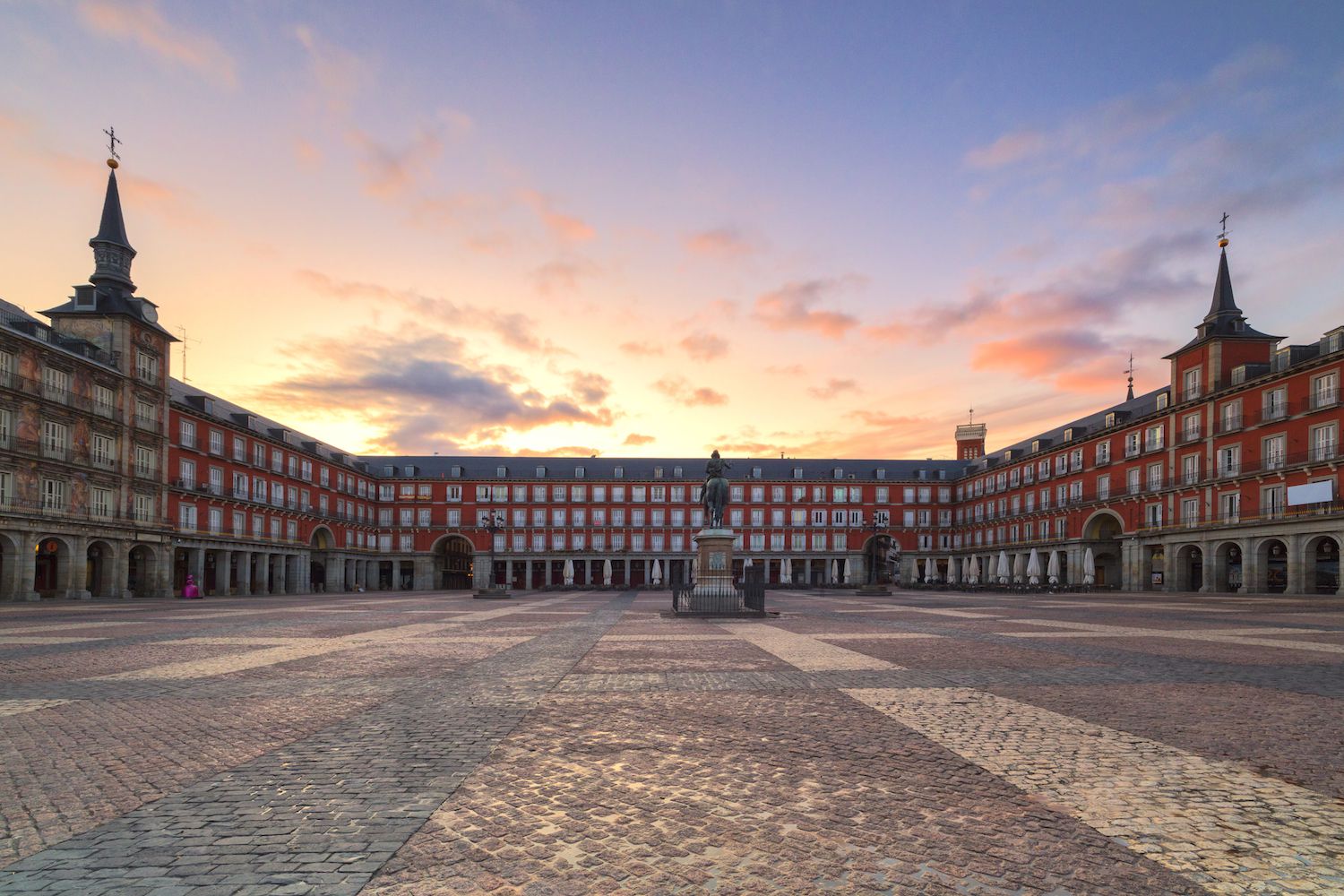
Plaza Mayor
3 min walk
This historic square sits just steps away, allowing you to easily combine a tour of its architectural history with a stop for regional snacks.

Madrid's food culture is not a spectacle—it is a rhythm. The city eats late, drinks standing, and treats the midday meal as the day's anchor. Understanding where locals gather and what they order reveals a culinary identity rooted in communal tables, market-fresh ingredients, and centuries-old recipes that have never left rotation.
Quick answer
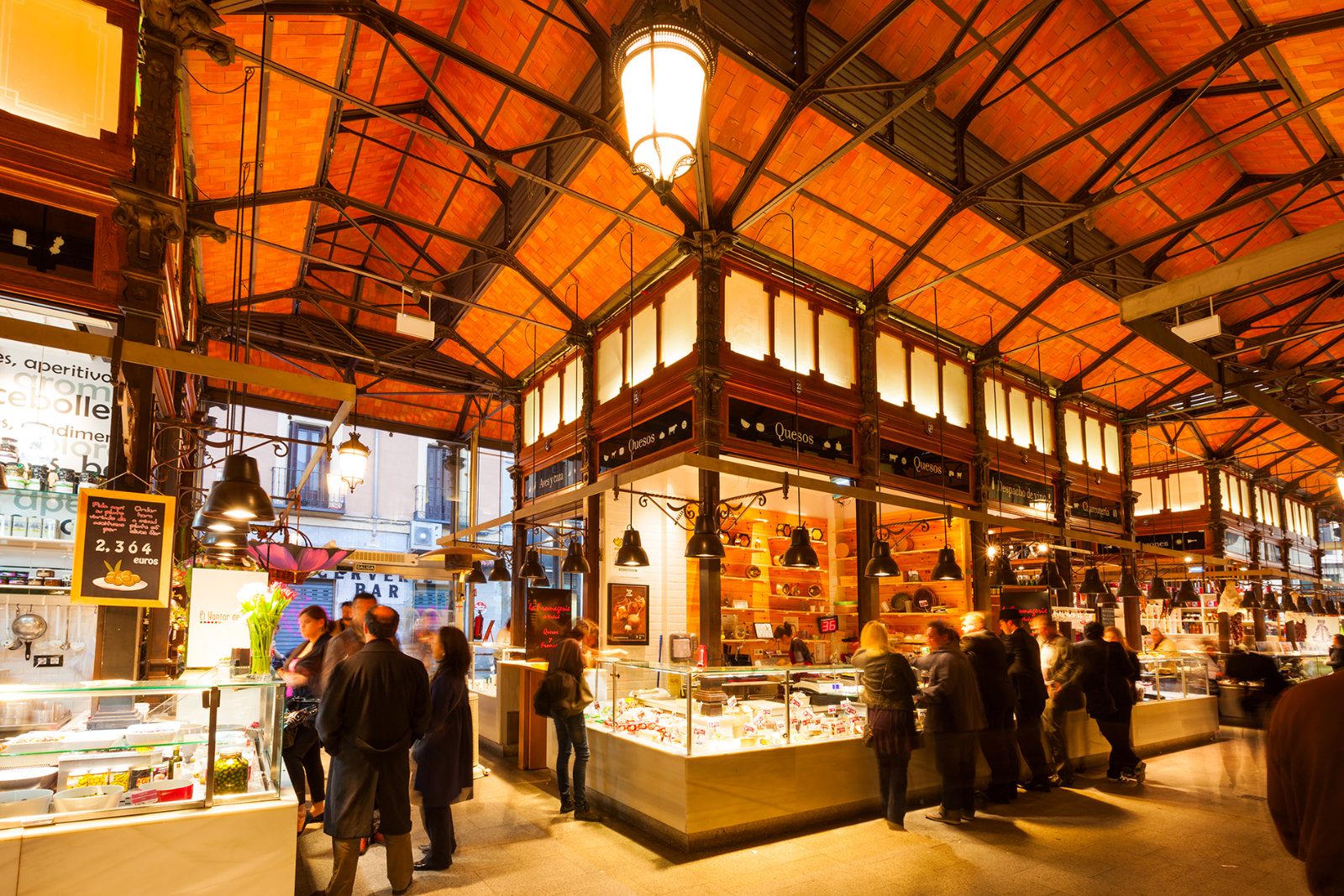
Local food in Madrid revolves around historic market halls, neighborhood tapas bars, and traditional casas de comidas where the city's working culinary vocabulary—cocido madrileño, callos, bocadillo de calamares—remains unchanged. Mercado de San Miguel at Plaza de San Miguel serves as the most accessible entry point, open Monday through Thursday 09:00–00:00, Friday and Saturday 09:00–01:00, and Sunday 09:00–00:00, with free entry and dozens of vendors offering conservas, cured meats, and prepared tapas under one iron-and-glass roof.
Mercado de San Miguel opened in 1916 and remains the only surviving example of Madrid's early twentieth-century iron architecture still functioning as a food market. Its location at Plaza de San Miguel, s/n, 28005 Madrid places it steps from Plaza Mayor, but its role extends beyond proximity to monuments—it consolidates dozens of independent vendors under a single structure, each specializing in a narrow slice of Spain's regional pantry. Conservas from Galicia, jamón ibérico sliced to order, vermouth poured from ceramic taps, and seasonal oysters shucked on marble counters create a curated cross-section of the country's food systems. The market does not require an entrance fee, and its extended hours accommodate both morning coffee runs and late evening aperitivos. Madrid's food culture operates on a schedule that separates visitors from residents. Lunch begins at 14:00 and stretches past 16:00; dinner starts no earlier than 21:00. The dishes that anchor the city's table—cocido madrileño, a chickpea-based stew served in three courses; callos a la madrileña, tripe in a paprika-spiked sauce; besugo, sea bream roasted whole—appear on handwritten menus in century-old casas de comidas rather than in polished dining rooms. These establishments, concentrated in neighborhoods like La Latina and Lavapiés, serve a working repertoire unchanged since their founding. A bocadillo de calamares, fried squid rings pressed into a soft roll, remains the city's most democratic snack, sold from bar counters and eaten standing. The best arrival window at Mercado de San Miguel falls between 09:00 and 12:00, when morning crowds thin and vendors restock for the lunch surge. Early visits secure first pick of daily seafood deliveries and allow time to observe how locals navigate the space—ordering a copa of white wine at the conservas counter, assembling a plate of cheeses and charcuterie to share, lingering over a single tapa rather than rushing through a tasting menu. The market's role is not to replicate a restaurant experience but to compress the city's food traditions into a single navigable hall, where the ingredient itself—whether Padrón peppers blistered in coarse salt or anchovies preserved in olive oil—carries the narrative. For visitors seeking to understand local food in Madrid, the market offers both an education and a practical first meal, with phone inquiries directed to +34915482436 and additional details available at mercadoodesanmiguel.es.
“The market does not replicate a restaurant—it compresses the city's food traditions into a single navigable hall.”
Mercado de San Miguel serves as a central hub for high-quality gourmet tapas, offering a concentrated selection of regional specialties under one roof. For those seeking a wider variety of local flavors beyond the market, Madrid's surrounding neighborhoods provide numerous traditional options.
market
Located at Plaza de San Miguel, s/n, this venue offers gourmet tapas, Iberian ham, and regional wines in a historic iron-structured hall.
street
A short walk from the market, this area is known for Cava Baja, a street densely packed with traditional taverns serving classic tapas.
restaurant
Situated near Puerta del Sol, this historic establishment is known for its cod croquettes and battered cod, representing traditional Madrid snacks.
market
Located further from the main tourist center, this market offers a more local experience with diverse food stalls and authentic prepared dishes.
To enjoy the culinary scene in Madrid with more personal space, the best arrival window is 09:00–12:00. Visiting during these early hours allows for a relaxed exploration before the peak lunch crowds arrive.
—
These hours offer the most relaxed atmosphere for browsing local markets and specialty food shops. You can enjoy a quieter environment and the freshest selection of local products.
Pleasant, 15°C to 24°C
Mild temperatures make walking between food venues comfortable. It is an ideal time for outdoor terrace dining.
Mild, 12°C to 22°C
The climate remains stable and pleasant after the summer heat. This season aligns with the harvest, providing access to seasonal menu updates.
Verdict: The best time to experience local food in Madrid is Tuesday to Thursday, arriving between 09:00 and 12:00 during the months of April or October.
The market operates daily to accommodate visitors exploring local food in Madrid throughout the week.
The central location of Mercado de San Miguel makes it an efficient starting or ending point for exploring Madrid's primary historical landmarks. Integrating a visit to these cultural sites with your culinary tour allows for a seamless transition between sightseeing and tasting local flavors.
3 min walk
This historic square sits just steps away, allowing you to easily combine a tour of its architectural history with a stop for regional snacks.
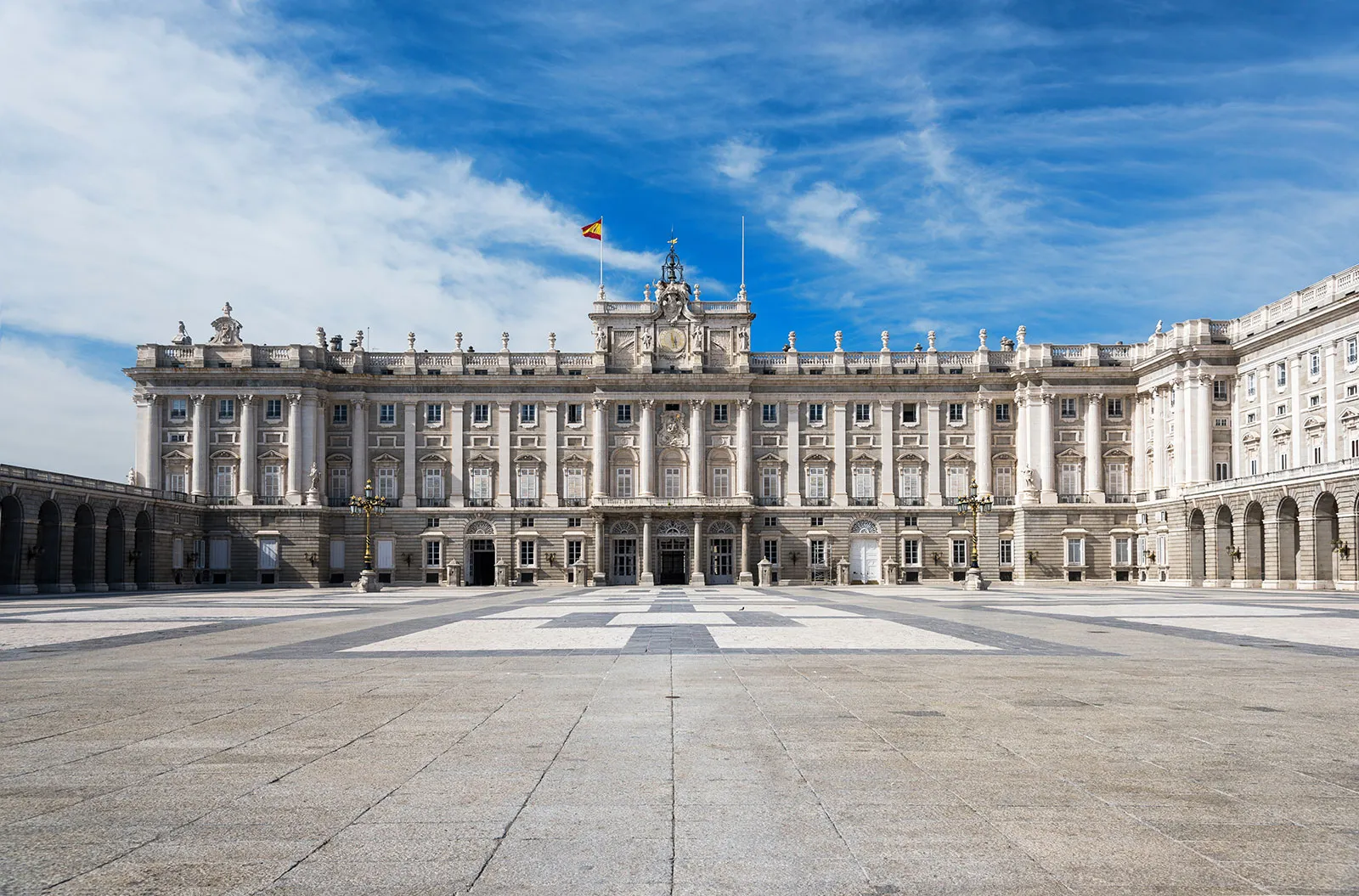
10 min walk
Walking toward the palace after visiting the market provides a logical route through the historic Habsburg district.
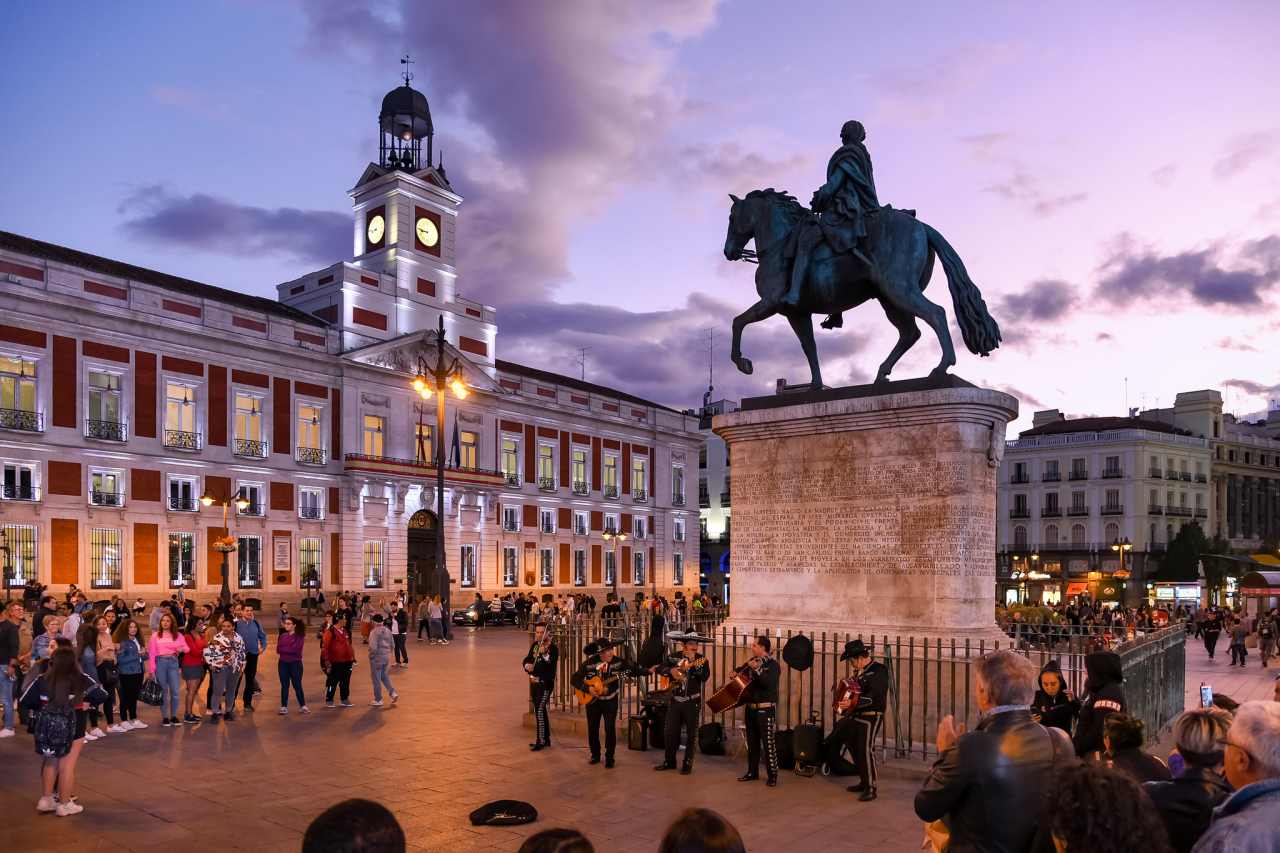
7 min walk
As the city's central hub, this landmark is conveniently positioned for those continuing their walk toward Madrid's primary shopping and sightseeing areas.
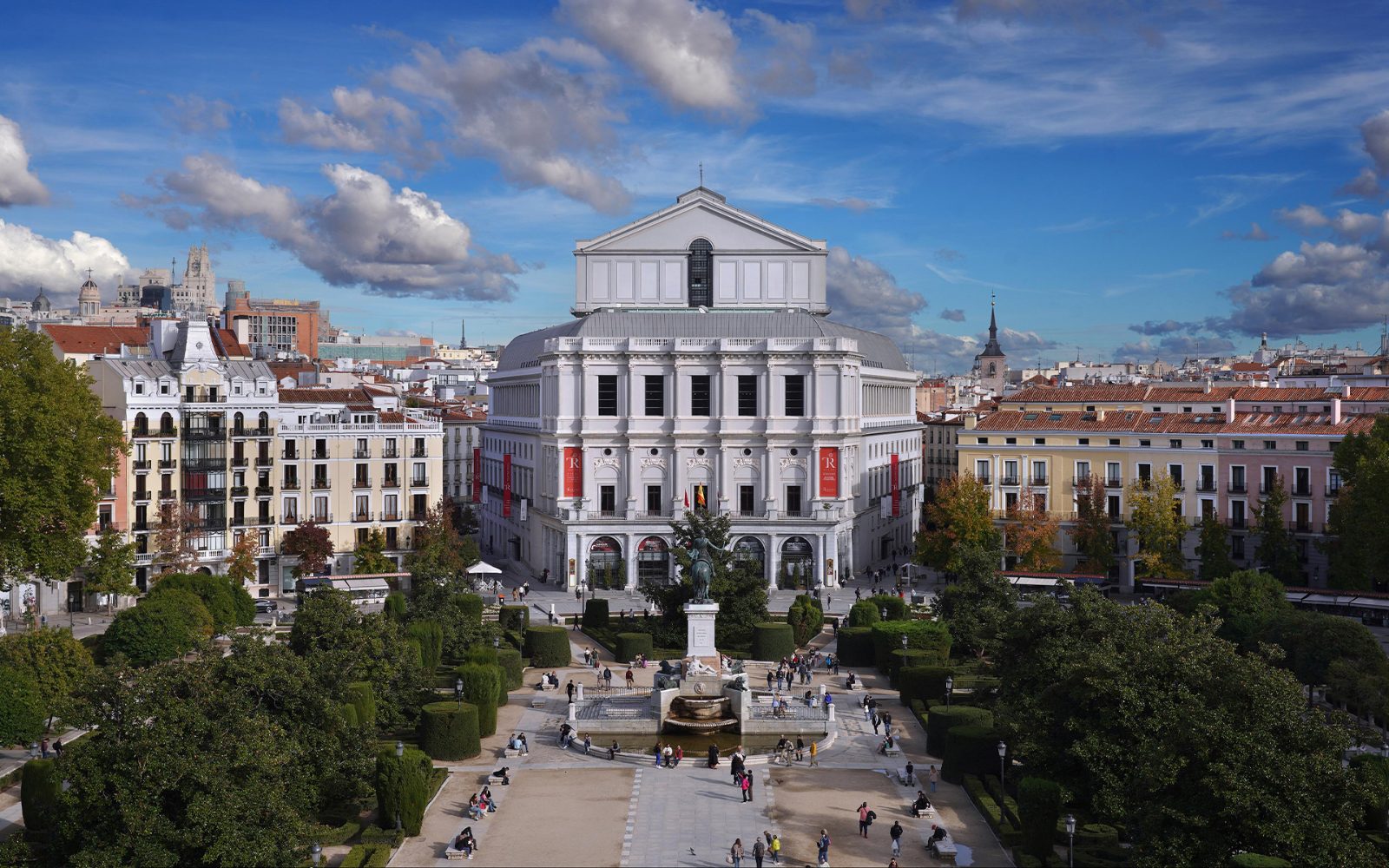
8 min walk
Located near the market, this opera house serves as a refined cultural stop to pair with an afternoon of exploring local food traditions.
Everything you need to know about local food in madrid
The best way to explore local food in madrid is by visiting historic markets and joining guided walking tours. These experiences provide context to traditional tapas and regional ingredients.
No, the entrance fee is 0 EUR. Markets and food stalls are open to the public for your convenience.
The best arrival window is 09:00–12:00. Visiting early helps you avoid peak lunch crowds and ensures you see the freshest selection of local products.
Yes, food markets are family-friendly environments. Children often enjoy the variety of flavors and the lively atmosphere found in these social hubs.
The market operates from Monday to Thursday and Sunday between 09:00 and 00:00. On Friday and Saturday, the venue stays open until 01:00 to accommodate those seeking local food in madrid.
Avoid restaurants located directly next to major landmarks that lack a local crowd, as these often provide lower-quality versions of local food in madrid. Seek out bustling taverns where residents gather instead.
What Food Is Madrid Known For
Read more Tickets & toursBest Madrid Food Tours
Read more Tickets & toursVegetarian Food Tours in Madrid
Read more GuideHow to Eat Cheap in Madrid
Read more Tickets & toursTapas Tours Madrid
Read more Tickets & toursMadrid Food Tours with Kids
Read more Tickets & toursPrivate Food Tours in Madrid
Read more